
While living along the Florida coast means plenty of sunshine and warm temperatures, it can also spell disaster for your HVAC system. Salty, humid ocean air that comes off the Atlantic and Gulf waters can take a significant toll on your interior HVAC components over time. The more you know about the full range of effects salt air can have, the more proactive you can be. You’ll be better able to maintain your system’s efficiency, extend its lifespan, and avoid costly repair bills that can arise from corrosion-related damage.
What Does Salty Air Do?
Humid, salty air is naturally corrosive to the metal components of your air conditioning system. When this air combines with the high humidity typical of coastal Florida summers, it can accelerate wear and tear on metal components and lead to premature failure. This can compromise the performance of your heating, ventilation, and air conditioning equipment, resulting in higher energy consumption and potential breakdowns.
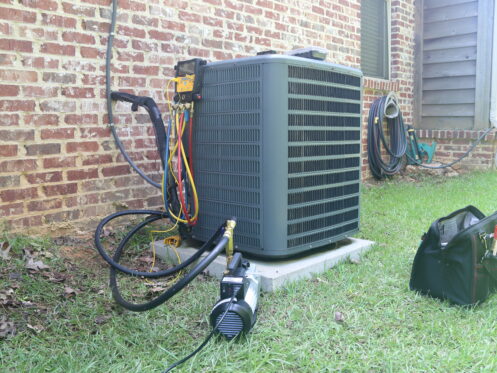
The evaporator and condenser coils inside your system typically consist of copper or aluminum. As moist salt accumulates on the surface of these coils, it can corrode the metal, reducing heat transfer efficiency and forcing your system to work harder to maintain the desired indoor temperature. This puts excessive strain on internal components. Salt is conductive when combined with water, so given enough humidity, it can be highly corrosive to electrical components, including circuit boards, wiring, and control panels. Over time, this corrosion can lead to loose connections, system malfunctions, and complete component failure.
Signs of Salt-Related Damage
As a homeowner, it is important to recognize the early warning signs of salt-related damage to your HVAC system. Identifying these signs allows you to seek preventive care before minor issues escalate into extensive problems that require costly repairs or system replacement.
There are several indicators that corrosive salt may be affecting your system. Uneven cooling or reduced efficiency throughout your home is one of the most common and noticeable signs.
You may also hear unusual noises coming from your outdoor unit due to corroded components or restricted airflow. Another potential warning is frequent tripping of circuit breakers or unexpected electrical malfunctions in your system. Visible corrosion on coils, refrigerant lines, or metal housings is another indicator that your system is under stress. Additionally, you may notice higher energy bills, even when your usage patterns have not changed. This can be a sign that salt and corrosion are reducing system efficiency.
Preventive Measures
Now that you understand how salty coastal air can affect your HVAC system components, it’s important to know the preventive steps you can take to minimize damage and maintain optimal performance. One of the most effective measures is regular cleaning and maintenance of your HVAC system. It should receive professional service twice a year to ensure that fins, coils, and other components are free of salt buildup. You may also want to consider signing up for our maintenance agreement, so you never forget to schedule routine service for your system.
Many HVAC providers apply anti-corrosive coatings to the metal components inside the system. They typically apply these protective coatings to the compressor, condenser, and refrigerant lines, creating a barrier against salty air that helps extend the lifespan of your equipment.
The air filter in your HVAC system plays a crucial role in removing salt particles from the air before they settle on coils, fans, or ducting surfaces in your home. You need to check your filter every month and replace it whenever necessary. We recommend keeping a spare filter on hand so that you can replace a dirty one promptly. Additionally, aim to use high-efficiency air filters with a MERV rating of 9 to 13. These filters trap more salt, dust, and debris than lower-rated filters, reducing the likelihood of corrosion on your system’s interior components.
If you want to take filtration to the next level, install a whole-home air filtration system. These systems use advanced filters that capture smaller salt particles and other contaminants that standard HVAC filters may miss, offering an extra layer of protection for your indoor equipment.
Another effective way to minimize salt corrosion is by controlling the indoor humidity levels in your home. During the summer, humidity can rise significantly along the coast. A whole-home dehumidification system can remove excess moisture from indoor air. Reducing indoor humidity slows the corrosion process and protects metal components from long-term damage, maintaining system efficiency and extending equipment life.
Reliable AC Maintenance Service
Bluewater Heating & Air provides reliable AC maintenance service in Pensacola, FL, and the surrounding communities. We can also assist with all your AC installation, replacement, and repair needs.
Call today to schedule an appointment with one of our knowledgeable and friendly technicians at Bluewater Heating & Air.