

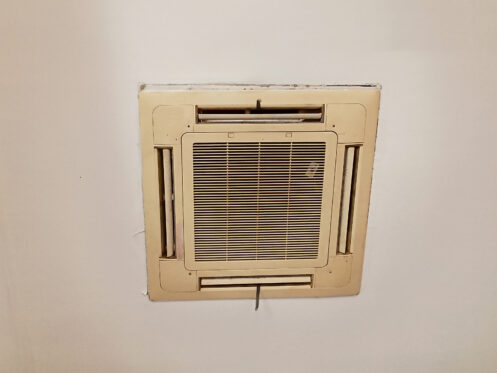
Seeing moisture on your AC vent covers in winter can feel confusing because you expect condensation in the summer, not during cooler months. In Florida, indoor humidity can stay high even when outdoor conditions feel mild, and your HVAC system can still create cold surfaces that pull water out of the air. That moisture can stain ceilings, soften drywall, and lead to musty odors if it keeps happening. At Bluewater Heating & Air, in Pensacola, FL, we help homeowners figure out why vents are sweating, what conditions are triggering it, and what changes can stop the problem instead of masking it.
Cold Registers Plus Humid Air Create Instant ‘Sweat’
Vent covers are often metal, and metal changes temperature fast. When your system pushes cool air, the register face cools down within minutes. If the air in that room carries a lot of moisture, the register becomes the first cold surface that moisture can cling to. That is why you might see beads of water on the louvers, a damp ring on the ceiling around a supply vent, or a drip line that leaves a faint stain.
This can happen even when you are not running the AC all day. Short cooling bursts can chill the vent cover without drying the space much. If your system shuts off quickly, the air stays moist, yet the register still gets cold each time the blower runs. This is one reason vent sweating often shows up during mild winter weather. The AC runs just enough to cool surfaces, not long enough to pull much moisture from the air. An HVAC professional can confirm this by checking indoor humidity, supply air temperature at the registers, and how long each cycle runs during typical winter use.
Duct Insulation Weak Spots Make One Vent Worse Than the Rest
If only a few vents sweat, look upstream. The duct serving that register may have an insulation gap, compressed wrap, or a poorly insulated boot where the duct meets the ceiling. In many homes, ductwork runs through the attic. Even in winter, the attic can stay warm and humid, especially after a sunny day followed by a cool evening. If the duct insulation is damaged near the register boot, cold air can chill the metal boot and the drywall edge around the opening. The register face then runs colder than it should, which makes condensation more likely.
You may notice a halo around the vent on the ceiling, or you may see moisture collect at one corner of the register frame. That often points to uneven insulation coverage or air leaking around the boot. A professional inspection can look for torn insulation, missing sealant around the boot, and ducts that sit against hot attic surfaces without proper protection. The fix is not about making your home colder. It is about keeping cold supply air where it belongs, so the ceiling opening does not become a cold, wet target.
Return Air Problems Trap Humidity in the Rooms You Use Most
Your HVAC system is a loop. Supply vents push conditioned air into rooms, and return pathways pull air back so the system can cool and dry it again. When a room lacks a good return path, the loop breaks down. The space can hold moisture longer after showers, cooking, or rainy weather. If that room still gets a strong blast of cool supply air, the register face can sweat because humid air stays parked in that zone.
Bedrooms often show this first. If you keep the door closed, and the room has no dedicated return, air can struggle to move back to the system. You might feel cold air near the vent while the rest of the room feels heavy or sticky. You might also notice the register sweats more at night when doors stay closed for hours. Another clue is a door that seems to pull or push when the system kicks on. That can signal a pressure issue that affects airflow. A professional can measure airflow and pressure, then identify whether return pathways, duct balance, or equipment settings are causing one room to behave differently from the rest of the house.
Duct Leaks and Pressure Imbalances Pull Moisture Into the House
Leaky ducts can raise indoor humidity without making the problem obvious. A return leak can pull attic air into the system. Attic air in Florida often carries moisture, plus dust and insulation particles. Your system then has to cool and dry that extra load. If the leak is sizable, the home can feel cool in spots and damp in others because the system keeps receiving humid air it did not plan for.
Supply leaks create a different chain reaction. If cooled air leaks into the attic, the rooms get less conditioned air. People respond by lowering the thermostat, which makes registers colder and more likely to sweat. Leaks can also change the pressure inside your home. Negative pressure can pull humid outdoor air through small gaps around doors, recessed lights, and attic access panels. That outside air brings moisture that ends up circulating through living spaces. A professional can test duct leakage and check pressure behavior while the system runs. Once the duct system stops pulling in humidity and wasting cooled air, vent sweating often fades because the whole system regains control of the indoor conditions.
How a Professional Pins Down the Real Cause
Vent condensation can look like a single problem, yet the cause can sit in several places. A strong diagnosis starts with measurements, not assumptions. A technician can check indoor humidity, supply air temperature at multiple registers, and system runtime patterns during typical winter conditions. They can also inspect the filter setup and blower performance because airflow affects how well the indoor coil removes moisture. If airflow is restricted or uneven, the system may cool surfaces without improving humidity.
Next comes the duct system. A technician can inspect duct insulation at boots and plenums, check whether the boot is sealed to the ceiling opening, and test for duct leakage that pulls in humid attic air. They can also evaluate return airflow and room pressure to see whether a closed room traps moisture. If you have ceiling rings or peeling paint near vents, they can connect that pattern to airflow and surface temperature conditions. The goal is a fix that stops the cold surface problem and the humidity problem from meeting at the register. Once that relationship changes, the dripping stops, and the vent area stays dry during the winter months.
Dry Vents, Drier Air, Fewer Problems
Vent condensation is often a sign that humid indoor air is meeting a surface that is colder than it should be, whether due to airflow issues, insulation gaps, duct leakage, or thermostat habits that drive the system too cold too fast. Bluewater Heating & Air can help with HVAC inspections, ductwork evaluations, air sealing recommendations, airflow testing, coil and drain line service, and humidity control solutions that fit Florida conditions.
If you are seeing vent sweating, ceiling spots, or recurring moisture around registers, call Bluewater Heating & Air today to schedule a professional HVAC check.